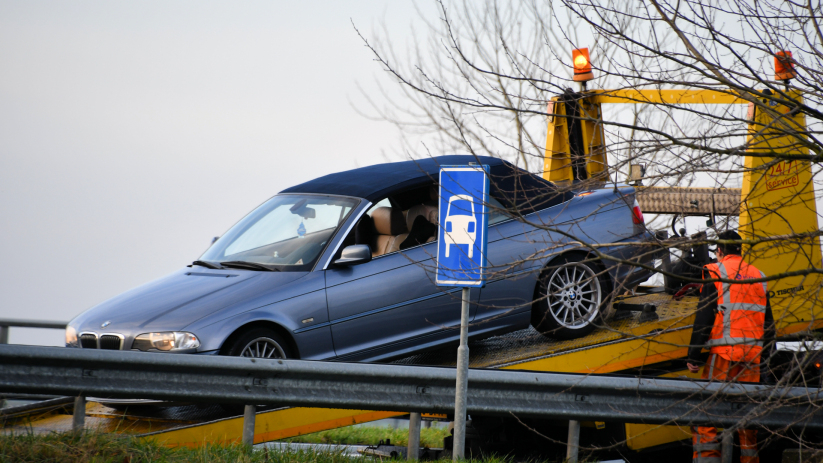
Incident Overview: Car Crashes into Ditch on Middenweg Biervliet, One Injured
A quiet Saturday evening in the picturesque Dutch village of Biervliet was interrupted by an unfortunate traffic incident. Near the tranquil Middenweg, a single-vehicle accident occurred, resulting in a car veering off the road and coming to rest in a ditch. This Biervliet Middenweg Accident: Car Recovered, One Hospitalized incident, which took place around 18:50, led to one individual sustaining injuries and requiring hospitalisation, highlighting the unpredictable nature of road travel even on seemingly calm local routes. The event swiftly mobilised local emergency services, demonstrating the community's readiness to respond.
The incident on Middenweg near Biervliet is a stark reminder that accidents, or as they are known locally, an Ongeval Biervliet, can happen at any time and under various circumstances. While the specific cause of this particular incident remains unknown, the immediate aftermath saw a coordinated response from police, ambulance services, and a professional recovery company, ensuring the safety of the injured party and the efficient clearance of the scene. This detailed account aims to not only report on the incident but also to provide valuable insights into road safety, emergency response protocols, and preventive measures for drivers in Biervliet and the wider Zeeland region.
The Event Unfolds: A Car in a Ditch Near Texaco Biervliet
The scene of the accident was identified as the Middenweg, in the vicinity of the Texaco parking lot, a recognizable landmark for locals and travellers passing through Biervliet. Eyewitness accounts or official reports indicated that the vehicle, a passenger car, for reasons yet to be determined, deviated from its path. It first entered the berm alongside the road before ultimately sliding into the adjacent ditch, coming to an abrupt halt.
Upon receiving the emergency call, both the police and ambulance services were dispatched promptly to the location. The swift arrival of emergency personnel is crucial in such situations, particularly when there are injuries involved. Paramedics immediately attended to the occupant of the vehicle, conducting a thorough assessment of their condition at the scene. After initial examination, it was determined that the injured individual required further medical attention and was subsequently transported to a nearby hospital for treatment.
Once the injured person was safely en route to the hospital and the immediate safety of the scene was secured, the focus shifted to vehicle recovery. Bergingsbedrijf Kuzee, a well-known recovery service in the region, was tasked with the complex operation of extracting the car from the ditch. This process often requires specialized equipment and expertise to ensure the vehicle is removed safely without causing further damage to the car or the surrounding environment. The successful recovery of the vehicle marked the final stage of the immediate response to this Ongeval Biervliet, allowing normal traffic flow to resume on the Middenweg.
Understanding Single-Vehicle Accidents: Causes and Prevention
While the specific cause of the Middenweg incident remains under investigation, single-vehicle accidents like this one are unfortunately common occurrences worldwide. They often raise questions about driver behaviour, road conditions, and vehicle maintenance. Understanding the common factors that contribute to such accidents can be crucial in preventing similar incidents in the future. This Single-Vehicle Accident Near Texaco Biervliet: Car in Ditch serves as a pertinent case study for broader road safety discussions.
Common Causes of Single-Vehicle Accidents:
- Distracted Driving: The use of mobile phones, adjusting infotainment systems, or engaging with passengers can divert a driver's attention from the road for critical seconds, leading to a loss of control.
- Fatigue: Drowsiness impairs reaction time and judgment, making drivers as dangerous as those under the influence of alcohol. Long journeys, insufficient sleep, or driving during natural sleep cycles are significant risk factors.
- Speeding: Exceeding the speed limit or driving too fast for conditions (e.g., rain, fog, darkness) reduces a driver's ability to react to unexpected hazards or negotiate curves safely.
- Impaired Driving: Alcohol and drug consumption significantly impair cognitive functions, vision, and motor skills, leading to dangerous decision-making and reduced reaction times.
- Adverse Weather Conditions: Rain, ice, snow, or dense fog can drastically reduce visibility and traction, making it easier for vehicles to skid or lose control.
- Road Hazards: Potholes, debris, sudden curves, or even unexpected wildlife can cause a driver to swerve suddenly, potentially leading to a loss of control.
- Mechanical Failure: While less common, issues like tire blowouts, brake failure, or steering malfunctions can lead to a driver losing control of their vehicle.
For drivers on rural roads like the Middenweg in Biervliet, additional factors such as narrower lanes, less lighting, and the potential for encountering agricultural vehicles or wildlife can add to the driving challenge. It underscores the importance of heightened awareness and defensive driving practices in such areas.
Prioritizing Road Safety: Tips for Drivers in Biervliet and Beyond
The Ongeval Biervliet on Middenweg serves as a critical reminder for all road users about the perpetual importance of vigilance and adherence to road safety principles. While some accidents are unavoidable, a significant number can be prevented through responsible driving habits and a proactive approach to safety.
Essential Driving Safety Tips:
- Stay Focused: Eliminate distractions. Put your phone away, avoid eating, and keep your full attention on the road and your surroundings.
- Manage Speed: Always adhere to posted speed limits. More importantly, adjust your speed to suit current road and weather conditions. If it's raining, foggy, or dark, slow down.
- Never Drive Impaired: Under no circumstances should you get behind the wheel if you have consumed alcohol or drugs. Arrange for a designated driver, use public transport, or call a taxi.
- Combat Fatigue: If you feel tired, pull over to a safe spot and rest. Take breaks on long journeys, and ensure you are well-rested before driving.
- Maintain Your Vehicle: Regular vehicle checks and maintenance are crucial. Ensure your tires are properly inflated and have good tread, brakes are functioning, and lights are working correctly.
- Be Aware of Your Surroundings: Constantly scan the road ahead and your mirrors. Look out for unexpected hazards, pedestrians, cyclists, and wildlife, especially in rural areas like Biervliet.
- Wear Your Seatbelt: This simple action is one of the most effective ways to reduce serious injury or fatality in an accident. Ensure all passengers are also belted.
- Know Your Route: Plan your journey, especially if you are unfamiliar with the area. This reduces the need to consult navigation while driving.
What to Do If You're Involved in an Accident:
Despite best efforts, accidents can still happen. Knowing how to react calmly and correctly can mitigate further harm and streamline the post-accident process:
- Ensure Safety: First and foremost, check yourself and any passengers for injuries. If possible and safe, move your vehicle to the side of the road to prevent further collisions. Turn on your hazard lights.
- Call Emergency Services: In the Netherlands, dial 112 for police, ambulance, or fire services. Clearly state your location (e.g., "Middenweg, Biervliet, near Texaco") and the nature of the incident.
- Provide Aid if Possible: If trained, provide basic first aid to anyone injured, without putting yourself at risk.
- Document the Scene: If it is safe to do so, take photos of the accident scene, including vehicle positions, damage, road conditions, and any relevant signage. Note down the time, date, and any contributing factors.
- Exchange Information: If another vehicle is involved, exchange contact, insurance, and vehicle details. Do not admit fault at the scene.
- Cooperate with Authorities: Provide accurate information to the police and emergency personnel.
Conclusion
The incident on Middenweg Biervliet, where a car crashed into a ditch resulting in one injury, serves as a poignant reminder of the inherent risks associated with driving. It underscores the critical importance of remaining vigilant, adhering to traffic laws, and maintaining a proactive approach to road safety. While emergency services responded swiftly and professionally to manage the immediate aftermath, including the recovery of the vehicle by Bergingsbedrijf Kuzee and the transport of the injured individual, the true lesson lies in prevention.
For the community of Biervliet and all drivers across Zeeland, this Ongeval Biervliet is a call to action to reassess our driving habits. By adopting safer practices – such as avoiding distractions, managing speed, and never driving impaired – we can collectively contribute to making our roads safer for everyone. Let us learn from such incidents, not just as isolated events, but as catalysts for fostering a culture of responsible and attentive driving, ensuring that the tranquil roads of Biervliet remain safe for all who travel them.