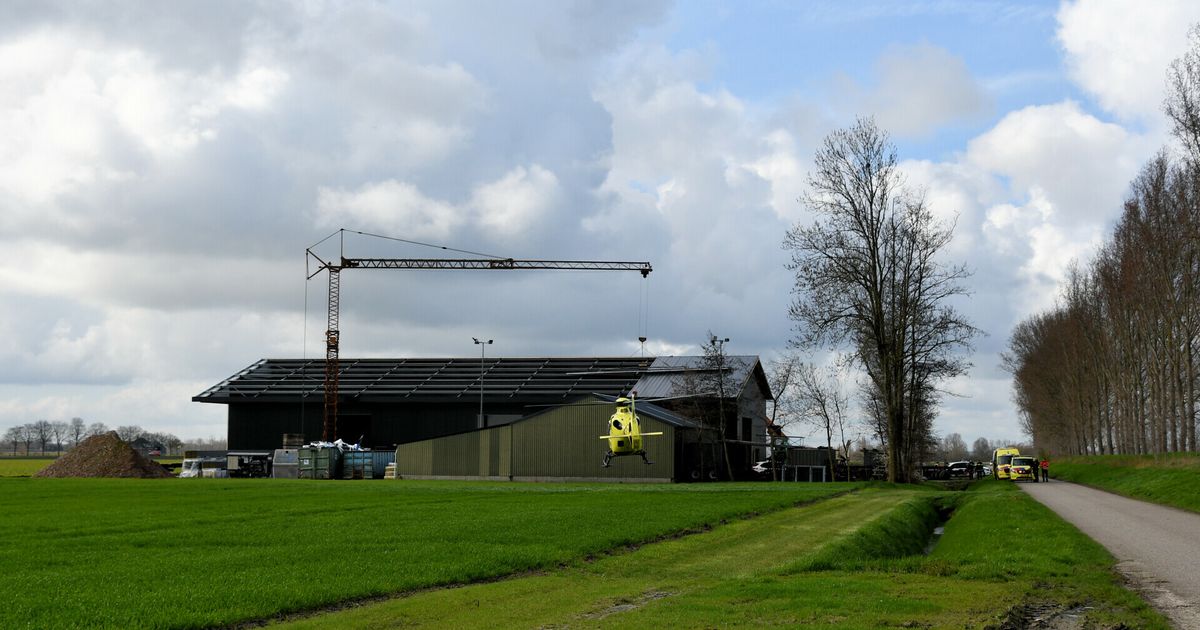
Teenager Critically Injured in Biervliet Industrial Roof Fall
Biervliet, a tranquil municipality in Zeeland, has recently been the site of several concerning incidents, drawing attention to local safety protocols and the vital need for vigilance across various sectors. Most recently, the community was shaken by a severe industrial accident involving a young individual, an incident that has underscored the critical importance of workplace safety, especially for minors and young workers.
In a distressing event that unfolded on a recent morning, a 17-year-old boy sustained critical injuries after falling from the roof of an industrial shed under construction in Biervliet. The incident, which occurred around 10:00 AM, saw the teenager engaged in the installation of roof panels when, for reasons yet to be fully determined, he lost his footing and fell. Emergency services, including an ambulance and a trauma helicopter, were immediately dispatched to the scene, reflecting the gravity of the young man's condition. While the trauma team doctor provided crucial on-site medical assistance, the victim was subsequently transported by ambulance to a nearby hospital for urgent medical care. Authorities, recognizing this as a potential workplace accident, have notified the Labor Inspectorate, which is now conducting a thorough investigation into the circumstances surrounding the fall.
The Gravity of the Biervliet Roof Fall Incident
Falls from height are consistently identified as one of the leading causes of serious injury and fatalities in construction and industrial settings globally. The incident in Biervliet involving a 17-year-old highlights the acute dangers present when working at elevated positions, especially on unfinished structures. The young age of the victim adds another layer of concern, bringing into question the supervision, training, and safety measures in place for junior workers.
The immediate response by emergency services, including the presence of a trauma helicopter, signals the severe nature of the injuries sustained. Such falls can result in a wide range of catastrophic outcomes, from head trauma and spinal cord injuries to multiple fractures and internal bleeding, often leading to long-term disability or even death. The psychological impact on the victim, his family, and even witnesses or colleagues present at the time, is also profound and lasting. As the Labor Inspectorate commences its investigation, it will likely examine several key aspects:
- Risk Assessment: Was a comprehensive risk assessment carried out for working at height on this particular site?
- Safety Equipment: Were appropriate personal protective equipment (PPE) such as harnesses, fall arrest systems, safety netting, and guardrails in place and properly utilized?
- Training and Supervision: Was the young worker adequately trained for the task, and was there sufficient supervision, especially given his age and potential lack of experience?
- Working Conditions: Were the weather conditions, the state of the roof panels, or any other environmental factors conducive to safe working?
- Compliance: Did the employer comply with all national and local health and safety regulations pertaining to working at height?
The findings of this investigation will be crucial not only for understanding what went wrong in this specific instance but also for informing future safety practices to prevent similar tragedies. It's a stark reminder that even in seemingly straightforward tasks like installing roof panels, the potential for severe Ongeval Biervliet remains a significant concern.
Broader Safety Landscape: Understanding "Ongeval Biervliet"
While the roof fall is the most recent and pressing Ongeval Biervliet incident, it's important to view it within the broader context of other recent accidents in the area. The term "Ongeval Biervliet" has unfortunately been associated with several incidents that underscore the varied safety challenges faced by the community, both in workplaces and on the roads.
Other Recent Incidents in Biervliet:
- Driesprongweg Car Crash: Just days prior, a serious single-vehicle accident occurred on the Driesprongweg near Biervliet. A 24-year-old woman from Amsterdam sustained severe injuries when her car, for reasons yet to be determined, collided with a tree. Emergency services, including firefighters who had to extricate her from the wreckage, and a trauma helicopter, were quickly on the scene. The woman was transported to a hospital in Ghent, Belgium, highlighting the collaborative cross-border emergency response often seen in border regions. Police are currently investigating the cause of this severe road accident. You can read more details about this incident in our dedicated article: Year-Old Woman Seriously Injured in Biervliet Car Crash.
- Havenstraat Incident: Another accident was reported on the Havenstraat near the intersection with the Scheldedijk in Biervliet. While specific details about what transpired and the identity of the injured person remain undisclosed by the police, ambulance services were called to the scene to provide medical attention. This incident, though less detailed in public reports, further contributes to the recent pattern of safety concerns in the area.
These incidents collectively paint a picture that necessitates a deeper look into safety measures, whether in industrial settings, on local roads, or within the community at large. Each "Ongeval Biervliet" serves as a poignant reminder of the fragility of safety and the constant need for vigilance and adherence to established protocols.
Preventing Future Tragedies: Actionable Safety Measures
The recent Ongeval Biervliet events call for renewed focus on proactive safety measures. Preventing such incidents requires a multi-faceted approach involving employers, employees, authorities, and the general public.
Workplace Safety at Heights: Essential Protocols
For industrial settings, especially those involving work at height like the roof fall in Biervliet, stringent safety measures are non-negotiable:
- Comprehensive Risk Assessment: Before any work begins, a thorough assessment of all potential hazards, especially falls, should be conducted. This includes identifying unstable surfaces, open edges, fragile materials, and weather conditions.
- Fall Prevention Measures: Prioritize collective protection measures over individual ones. This includes installing guardrails, safety nets, and temporary work platforms (scaffolding or elevated work platforms) to prevent falls from occurring in the first place.
- Personal Protective Equipment (PPE): Where collective measures are not feasible, ensure workers are provided with and correctly use appropriate PPE, such as full-body harnesses, lanyards, and anchor points. Regular inspection and maintenance of this equipment are vital.
- Training and Competence: All workers, particularly young or new employees, must receive comprehensive training on working at height, hazard recognition, emergency procedures, and the correct use of all safety equipment. Competency checks should be regular.
- Supervision: Adequate and experienced supervision is paramount, especially for complex or high-risk tasks. Supervisors must actively monitor work practices to ensure compliance with safety protocols.
- Emergency Preparedness: Have a clear plan for what to do in case of a fall, including rescue procedures and first aid.
- Labor Inspectorate Compliance: Employers must be fully aware of and comply with all national and European labor laws and safety regulations. The Labor Inspectorate plays a crucial role in enforcing these standards and investigating breaches.
Enhancing Road Safety in Biervliet
The car crash on Driesprongweg highlights the ongoing need for road safety awareness:
- Defensive Driving: Encourage drivers to anticipate hazards, maintain safe following distances, and be aware of their surroundings.
- Speed Awareness: Adherence to speed limits is critical, especially on local roads where unexpected obstacles or vulnerable road users may be present.
- Distraction Avoidance: Emphasize the dangers of distracted driving, including mobile phone use, eating, or other activities that divert attention from the road.
- Vehicle Maintenance: Regular checks of tires, brakes, lights, and fluid levels ensure vehicles are roadworthy and minimize the risk of mechanical failure contributing to an accident.
- Road Infrastructure: Local authorities should continually review and maintain road infrastructure, including signage, road markings, and lighting, to enhance safety.
Conclusion: A Call for Collective Vigilance
The recent string of incidents, particularly the critical roof fall involving a teenager, has cast a somber light on the inherent risks present in daily life and work in Biervliet. Each Ongeval Biervliet serves as a powerful reminder that safety is not merely a set of rules but a continuous culture of awareness, responsibility, and proactive prevention. From the industrial site where a young life hangs in the balance, to the local roads where routine journeys can turn tragic, the need for robust safety measures and unwavering vigilance is paramount.
As the investigations into these incidents proceed, it is imperative that lessons are learned and implemented to prevent future occurrences. Our thoughts remain with the critically injured teenager and his family, hoping for a full and speedy recovery, and with all others affected by these unfortunate events. By fostering a collective commitment to safety—among employers, workers, drivers, and community members alike—Biervliet can strive to be a safer place for everyone.