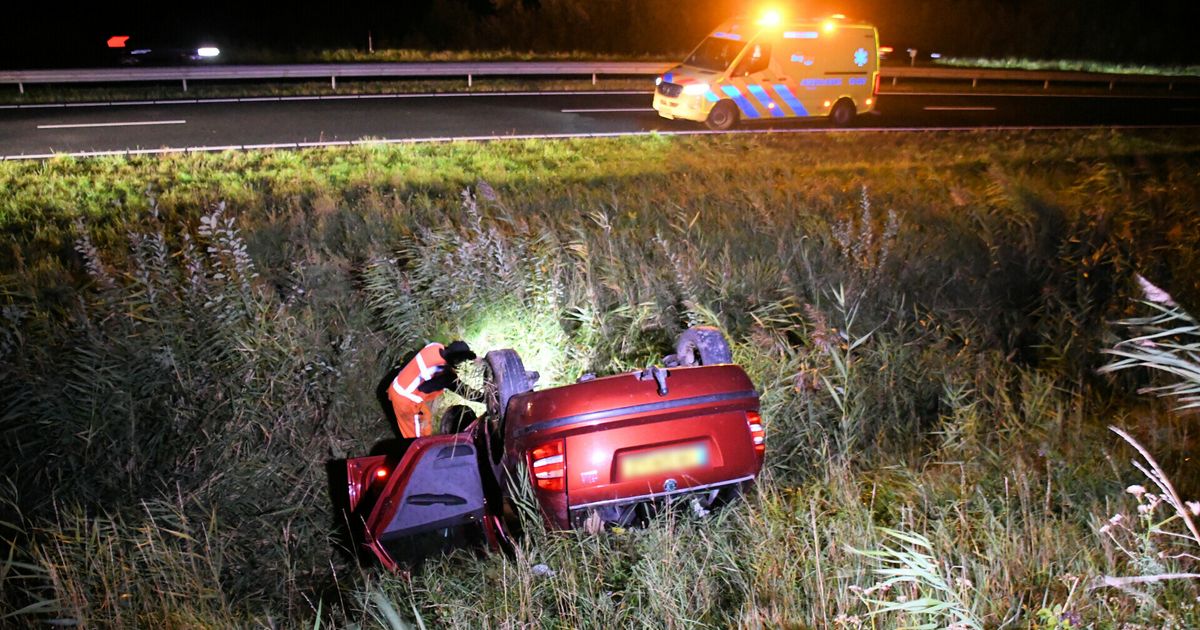
24-Year-Old Woman Seriously Injured in Biervliet Car Crash
A serene Friday morning in Biervliet was tragically interrupted by a severe single-vehicle accident that left a 24-year-old woman from Amsterdam with serious injuries. The incident, a stark reminder of the unpredictable nature of road travel, occurred on the Driesprongweg, a rural route near the picturesque Dutch village. Emergency services swiftly responded to the scene, highlighting the coordinated efforts required when an Ongeval Biervliet demands immediate and expert attention.
The victim was reportedly traveling in her car when, for reasons yet to be determined, her vehicle veered off the road and collided with a tree. The impact was significant, necessitating a complex rescue operation and immediate advanced medical care. This unfortunate event has once again cast a spotlight on road safety, particularly on less-traveled, rural roads where conditions and hazards can differ significantly from urban environments.
The Tragic Details of the Driesprongweg Incident
The accident unfolded just before 8:30 AM on a recent Friday. The 24-year-old driver, whose identity has not been released, was navigating the Driesprongweg near Biervliet when her journey took a catastrophic turn. Preliminary reports indicate that her car left the roadway and struck a tree, resulting in substantial damage to the vehicle and severe injuries to the occupant. The exact circumstances leading up to the collision remain under investigation by local authorities.
Upon arrival, emergency personnel were confronted with a challenging scene. The force of the impact had trapped the woman inside her vehicle, requiring the specialized skills of the fire brigade for extrication. This delicate process, known as 'technical rescue', involves using hydraulic cutting and spreading tools to carefully free entrapped individuals without causing further injury. Once freed, the gravity of her condition became apparent, necessitating immediate and intensive medical intervention.
Given the severity of her injuries, the decision was made to transport the victim to a hospital in Gent, Belgium. While a trauma helicopter was initially dispatched to the scene, indicating the critical nature of the injuries, the woman was ultimately transported by ambulance. A doctor from the trauma team accompanied her during the journey, providing continuous critical care en route to the specialized medical facility across the border. This cross-border cooperation in emergency medical response underscores the commitment to providing the best possible care, regardless of geographical boundaries.
Rapid Response: Emergency Services and Cross-Border Medical Care
The response to the Ongeval Biervliet on Driesprongweg was a textbook example of coordinated emergency efforts. Within minutes of the alarm, a full complement of emergency services was mobilized. This included multiple police units, fire brigade personnel, and paramedics, all converging on the accident site to provide immediate assistance.
- Fire Brigade: Their primary role was to stabilize the vehicle and perform the intricate extrication of the trapped driver. This often involves assessing structural damage, planning the safest points of entry, and meticulously cutting away parts of the vehicle.
- Ambulance Services: Paramedics provided initial medical assessment and stabilization at the scene. Given the nature of the injuries, a trauma team doctor was also called in. This specialist, often transported by helicopter to ensure rapid deployment, provides advanced pre-hospital care, effectively bringing a piece of the emergency room to the accident site.
- Trauma Helicopter: Although the helicopter was not used for transport in this specific case, its dispatch highlights the potential severity of the injuries. Trauma helicopters are invaluable for their speed, enabling severely injured patients to reach specialized trauma centers quickly, often improving outcomes. The trauma doctor was subsequently picked up by the helicopter in Gent after assisting in the ambulance, showcasing the efficient use of resources.
- Police: Beyond securing the scene, police officers are crucial for directing traffic, preventing further accidents, and initiating the investigation into the cause of the incident. Their presence ensures that evidence is preserved and witnesses are interviewed.
The journey to Gent, a city in neighboring Belgium, for specialized medical treatment is not uncommon in border regions. Hospitals are chosen based on their specific capabilities and capacity to handle severe trauma cases, prioritizing the patient's best interests above all else. This incident serves as a poignant reminder of the dedication and professionalism of emergency responders who work tirelessly to save lives and mitigate the aftermath of serious accidents.
Investigating the Cause: Why Accidents Happen
While the police continue their investigation into the specific cause of this Ongeval Biervliet, single-vehicle accidents, especially those involving collisions with fixed objects like trees, are often the result of a combination of factors. Understanding these common culprits can help drivers take preventative measures. Some of the most frequently identified causes include:
- Driver Distraction: This is a leading cause of accidents globally. Activities like using a mobile phone, adjusting the radio, eating, or engaging with passengers can divert a driver's attention from the road for crucial seconds, leading to loss of control.
- Driver Fatigue: Drowsiness can impair judgment, slow reaction times, and diminish awareness of surroundings as much as, if not more than, alcohol. Long drives, inadequate sleep, or certain medications can all contribute to driver fatigue.
- Excessive Speed: Driving too fast for conditions, or exceeding the posted speed limit, significantly reduces a driver's ability to react to unexpected hazards and increases the severity of any resulting collision. Rural roads, while often appearing open, can have hidden curves, dips, or obstructions.
- Adverse Road Conditions: Wet, icy, snowy, or gravel-covered roads can drastically reduce tire grip. Poor visibility due to fog, heavy rain, or glare from the sun can also contribute to drivers losing control.
- Sudden Medical Events: Although less common, a driver experiencing a sudden medical emergency, such as a heart attack, seizure, or stroke, can lose control of their vehicle.
- Mechanical Failure: While modern vehicles are highly reliable, unexpected issues like a tire blowout, brake failure, or steering malfunction can lead to a loss of control.
- Wildlife Encounters: On rural roads like Driesprongweg, animals (deer, wild boar, etc.) can suddenly appear on the road, causing drivers to swerve violently and lose control, especially at higher speeds.
The police investigation will meticulously examine the scene, vehicle damage, witness statements (if any), and possibly the victim's medical condition to piece together the sequence of events and determine the precise "toedracht" – the exact circumstances and underlying cause – of this unfortunate car crash.
Road Safety in Biervliet and Beyond: A Community Priority
This serious incident serves as a powerful reminder that road safety is a continuous concern for every community, including Biervliet. While the village itself is generally peaceful, its surrounding rural roads present unique challenges and demand a high degree of driver vigilance. The Driesprongweg, like many rural routes, can be winding, feature varying road surfaces, and may have limited lighting, especially outside of built-up areas. These factors, combined with potential distractions or fatigue, can increase the risk of an accident.
Biervliet, a picturesque locality, has unfortunately seen its share of incidents, underscoring the importance of vigilance on its roads and at workplaces. For a broader look at local safety concerns, you can read our Biervliet Incidents: Overview of Recent Accidents & Investigations. While this specific incident involved a vehicle, Biervliet has also experienced other serious situations, such as industrial accidents. For example, a young worker was critically injured in a fall from a roof, detailed in Teenager Critically Injured in Biervliet Industrial Roof Fall, highlighting the diverse nature of incidents that can impact a community.
Authorities, local councils, and community groups often work together to identify high-risk areas, implement traffic calming measures, improve signage, and educate drivers. However, the ultimate responsibility for safe driving rests with each individual behind the wheel. Adhering to speed limits, avoiding distractions, and being aware of the specific conditions of rural roads are paramount to preventing future tragedies.
Crucial Tips for Drivers and Accident Witnesses
In the wake of an Ongeval Biervliet like the one on Driesprongweg, it's crucial to reinforce best practices for both drivers and those who might witness an accident. Proactive measures can prevent incidents, and informed reactions can save lives.
For Drivers: Staying Safe on the Road
- Eliminate Distractions: Put your phone away. Avoid eating, drinking, or any activity that takes your eyes and mind off the road.
- Manage Fatigue: Ensure you are well-rested before driving. On long journeys, take regular breaks every two hours. If you feel drowsy, pull over in a safe place and rest or switch drivers.
- Adjust Speed to Conditions: The posted speed limit is a maximum under ideal conditions. Always drive slower when it's raining, foggy, dark, or if the road surface is poor.
- Maintain Your Vehicle: Regular checks of tires (pressure and tread), brakes, lights, and fluid levels are vital for safe operation.
- Be Aware of Rural Hazards: Expect the unexpected on rural roads – wildlife, slow-moving farm vehicles, unmarked turns, and narrow shoulders.
- Never Drive Impaired: Alcohol, drugs (legal or illegal), and certain medications can severely impair your driving ability. Always arrange for an alternative if you are impaired.
For Witnesses: How to Respond Safely and Effectively
- Prioritize Safety: If you witness an accident, ensure your own safety first. Pull over safely, activate your hazard lights, and position your vehicle to protect the scene if possible without putting yourself in danger.
- Call Emergency Services Immediately: Dial 112 (the emergency number in the Netherlands and Belgium) and provide clear, concise information about the location, the nature of the accident, and any visible injuries.
- Do Not Move Injured Persons: Unless there is an immediate and life-threatening danger (e.g., fire, flood), do not move injured individuals. Incorrect movement can worsen spinal or other injuries.
- Provide Basic First Aid (If Trained and Safe): If you are trained in first aid and it is safe to do so, offer assistance. Control bleeding, keep victims warm, and provide reassurance until professional help arrives.
- Collect Information (Safely): Note the time, location, number of vehicles involved, and any specific details you observed. This information can be crucial for authorities.
- Cooperate with Authorities: Provide any information you have to the police and other emergency responders. Your observations can significantly aid their investigation.
The serious Ongeval Biervliet on Driesprongweg serves as a sobering reminder of the fragility of life and the critical importance of responsible driving. Our thoughts are with the 24-year-old woman and her family during this challenging time, and we wish her a full and swift recovery. As the investigation continues, let this incident reinforce our collective commitment to road safety, ensuring that our roads remain as safe as possible for everyone.